Location

Location
Understanding Core vs. Non-Core Vaccines for Pets
- posted: Jul. 02, 2025
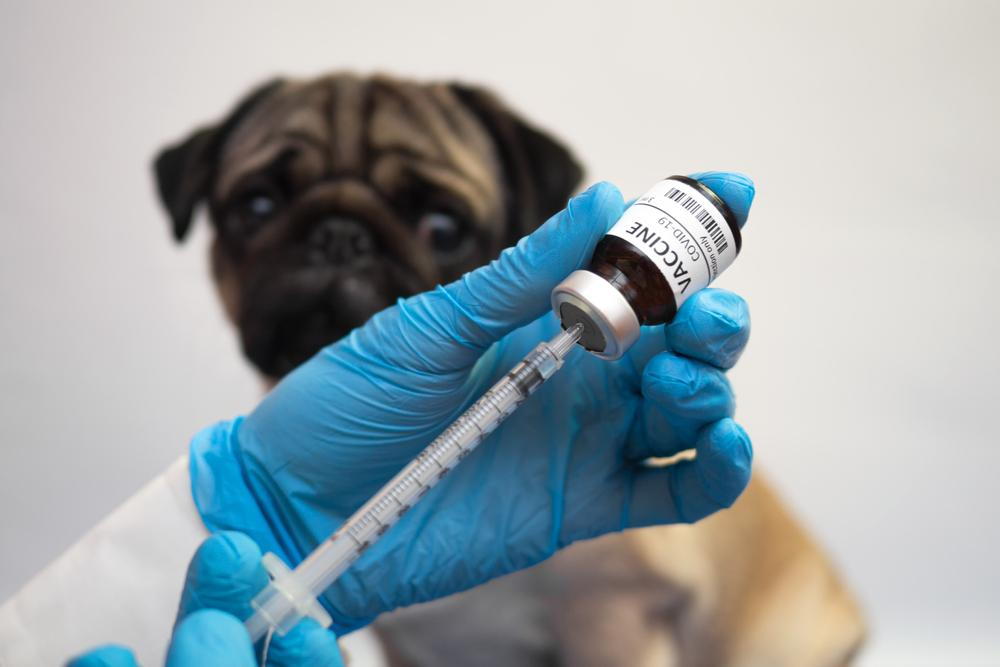
When planning a trip to a new country, you check which vaccinations are required and which are simply recommended based on where you're going and what you’ll be exposed to. The same idea applies to protecting your pets. At Cotswold Animal Hospital, your veterinarian in Charlotte, NC, we help pet owners navigate the difference between core and non-core vaccines, so each animal gets exactly what they need. Understanding these categories can help you make informed choices that protect your pet’s long-term health.
What Are Core Vaccines?
Core vaccines are those recommended for every dog and cat, regardless of their lifestyle, location, or breed. These vaccines protect against diseases that are widespread, severe, and in some cases, transferable to humans.
For dogs, core vaccines typically include:
● Rabies
● Canine parvovirus
● Canine distemper
● Canine adenovirus (hepatitis)
For cats, core vaccines usually cover:
● Rabies
● Feline panleukopenia
● Feline calicivirus
● Feline herpesvirus type 1 (rhinotracheitis)
These diseases can spread quickly and often have high mortality rates. Many are also required by law—especially rabies. Vaccinating against these threats can help provide a baseline protection for your pet and helps reduce public health risks.
What Are Non-Core Vaccines?
Non-core vaccines are given based on a pet’s individual risk factors. These include where they live, how often they go outside, whether they board at kennels, or more.
For dogs, non-core vaccines may include:
● Bordetella bronchiseptica (kennel cough)
● Leptospirosis
● Lyme disease
● Canine influenza
For cats, non-core options might be:
● Feline leukemia virus (FeLV)
● Bordetella
● Chlamydophila felis
For example, a hunting dog in a wooded area may benefit from the Lyme disease vaccine, while an indoor-only cat in a high-rise apartment probably doesn’t need the feline leukemia vaccine.
How Often Should Vaccines Be Given?
Puppies and kittens begin their vaccine series early—usually at six to eight weeks—and get booster shots every few weeks until they’re about four months old. After the initial series, most core vaccines move to a one- or three-year schedule depending on the type and manufacturer.
We will develop a personalized vaccine plan that considers your pet’s age, medical history, environment, and more to help him or her stay safe.
Pet Vaccination Near You
Vaccines are one of the simplest and most effective tools we have to keep pets healthy. If you’re unsure what your pet needs, we’re here to guide you. Call us at (704) 365-3787 for pet vaccination near you from a veterinarian near you. We at Cotswold Animal Hospital, your veterinarian in Charlotte, NC, are here to help.
- posted: Jul. 02, 2025
When planning a trip to a new country, you check which vaccinations are required and which are simply recommended based on where you're going and what you’ll be exposed to. The same idea applies to protecting your pets. At Cotswold Animal Hospital, your veterinarian in Charlotte, NC, we help pet owners navigate the difference between core and non-core vaccines, so each animal gets exactly what they need. Understanding these categories can help you make informed choices that protect your pet’s long-term health.
What Are Core Vaccines?
Core vaccines are those recommended for every dog and cat, regardless of their lifestyle, location, or breed. These vaccines protect against diseases that are widespread, severe, and in some cases, transferable to humans.
For dogs, core vaccines typically include:
● Rabies
● Canine parvovirus
● Canine distemper
● Canine adenovirus (hepatitis)
For cats, core vaccines usually cover:
● Rabies
● Feline panleukopenia
● Feline calicivirus
● Feline herpesvirus type 1 (rhinotracheitis)
These diseases can spread quickly and often have high mortality rates. Many are also required by law—especially rabies. Vaccinating against these threats can help provide a baseline protection for your pet and helps reduce public health risks.
What Are Non-Core Vaccines?
Non-core vaccines are given based on a pet’s individual risk factors. These include where they live, how often they go outside, whether they board at kennels, or more.
For dogs, non-core vaccines may include:
● Bordetella bronchiseptica (kennel cough)
● Leptospirosis
● Lyme disease
● Canine influenza
For cats, non-core options might be:
● Feline leukemia virus (FeLV)
● Bordetella
● Chlamydophila felis
For example, a hunting dog in a wooded area may benefit from the Lyme disease vaccine, while an indoor-only cat in a high-rise apartment probably doesn’t need the feline leukemia vaccine.
How Often Should Vaccines Be Given?
Puppies and kittens begin their vaccine series early—usually at six to eight weeks—and get booster shots every few weeks until they’re about four months old. After the initial series, most core vaccines move to a one- or three-year schedule depending on the type and manufacturer.
We will develop a personalized vaccine plan that considers your pet’s age, medical history, environment, and more to help him or her stay safe.
Pet Vaccination Near You
Vaccines are one of the simplest and most effective tools we have to keep pets healthy. If you’re unsure what your pet needs, we’re here to guide you. Call us at (704) 365-3787 for pet vaccination near you from a veterinarian near you. We at Cotswold Animal Hospital, your veterinarian in Charlotte, NC, are here to help.
Stop By and See Us!
Cotswold Animal Hospital
401 S Sharon Amity Rd A
Charlotte, NC 28211
Monday
7:30 am - 6:00 pm
Tuesday
7:30 am - 6:00 pm
Wednesday
7:30 am - 6:00 pm
Thursday
7:30 am - 6:00 pm
Friday
7:30 am - 6:00 pm
Saturday
Closed
Sunday
Closed